Happy families are all alike; every unhappy family is unhappy in its own way.
Lev Tolstoy, beginning of Anna Karenina
One of my biggest passions is reading. Ever since quitting medical practice, my schedule is more flexible, and I can allocate more time to it. I love to hold a real book in my hand, but the internet and e-books are marvels, and I can be more productive with my time. In Chapel Hill, we live surrounded by woods, and when it is raining, sitting in front of a big window and reading is a big treat.
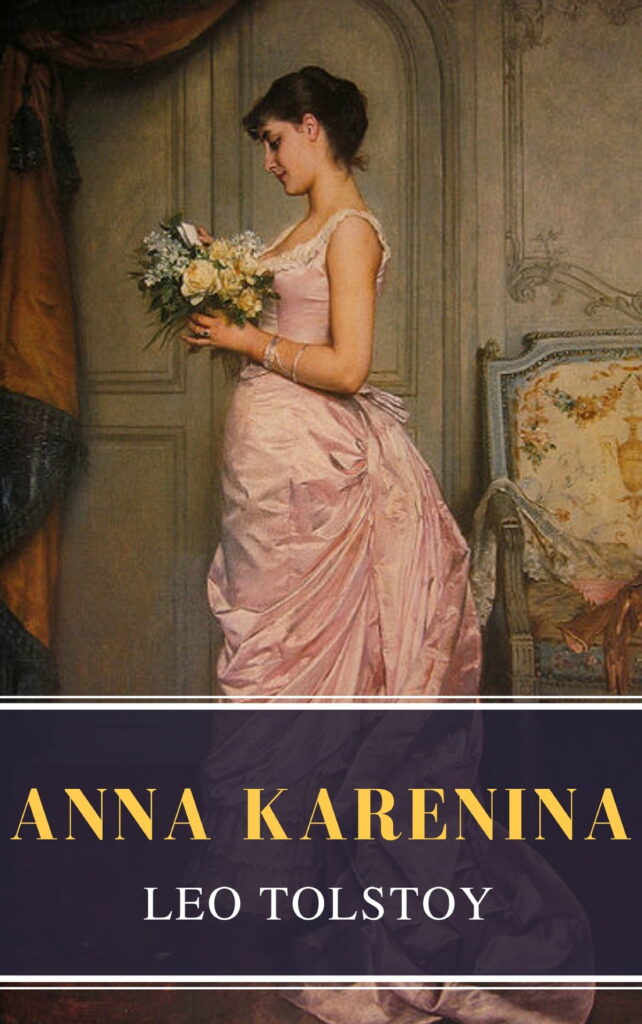
I have wanted to read Anna Karenina ever since I was in high school. However, I heard many stories about how long and boring the book was. I still remember trying to read Gone with the Wind and quitting after a few pages. Couldn’t take it. But now was the time to revisit my original project, and I got Tolstoy’s novel on my Kindle.
Then I found out about the book by J. Peder Zane, written in 2007. He asked 125 of the most prominent contemporary writers, from Norman Mailer to Margaret Drabble, about their favorite books of all time. Without going into more details, Anna Karenina came out on top. This only enhanced my interest.
Anna Karenina was written in installments from 1873 to 1877. I read the 1901 English translation by Constance Garnett, and it was a project for me. Her English was more than 100 years old. Some of the words aren’t used today, some had different meanings, and quite often the syntax was antiquated. I used my dictionary app and Bonnie’s help often. On top of it, we were dealing with long Russian names, with given names, patronymics and family names transcribed phonetically. In addition, they were used in a particular way in different social contexts together with their genealogical titles. Since I know Russian, it was easier for me to follow the plot, but I understand how it can be confusing for an average reader.
I wished I could read this book while in Russia. I read James Michener’s Poland, knowing this country well. I read his Hawaii while on vacation in Maui. I read books about Italy while on vacation in that country. This adds an extra layer to understanding and perceiving the author’s intentions. One seems to be in the middle of action. Just like reading a spooky mystery novel during a stormy, thundering night.
I was surprised and amazed at how complex the story was. Multilayered personal relationships, detailed descriptions of everyday life in Russia and other countries almost a century and a half ago, complicated social interactions, international problems including participation in the war between Serbs and Turks, peculiar women’s positions in society, serfdom issues, and so on and so on. Women going as nurses to serve on the battlefield, a movement initiated by Florence Nightingale, were portrayed. And even the conversion of the person being a non-believer to Christianity was weaved in.
There are 11 different English translations, and 16 movies have been made based on this book. A monumental work and a goldmine of ideas.
I will bring just a few of them in my next posts.
Related articles
- Reviewing a Classic: Anna Karenina by Leo Tolstoy (theroamingreader.wordpress.com)
- A Great Find: Anna Karenina by Leo Tolstoy (leajurock.wordpress.com)
- Anna Karenina….. (penfans.wordpress.com)