The human mind is still the one of the greatest and most mysterious forces in the world.
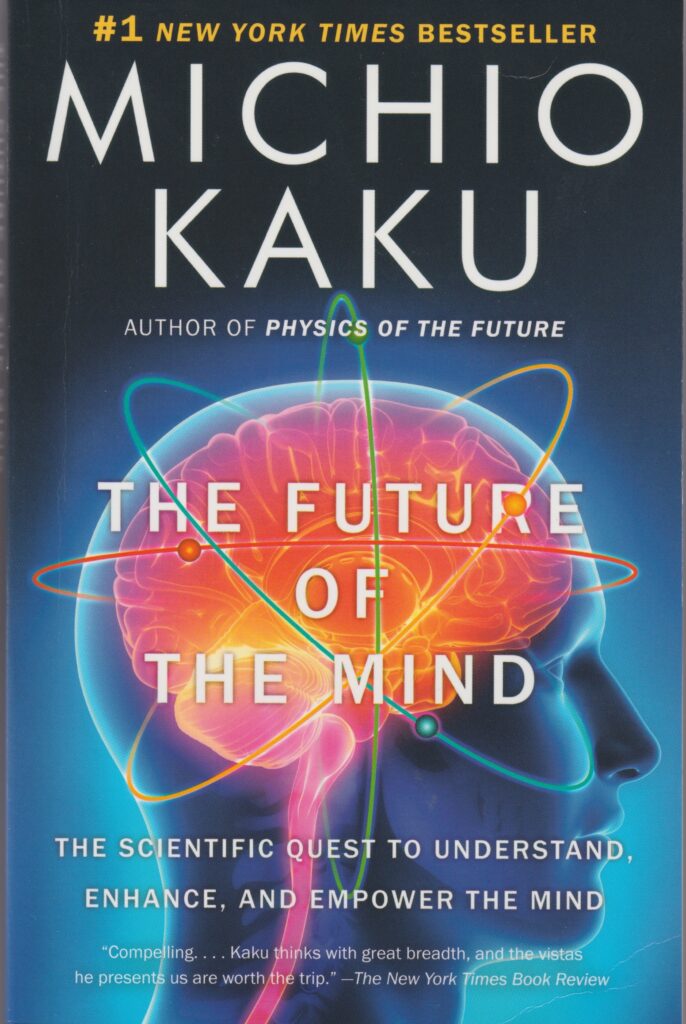
Michio Kaku
From the engineering point of view, our brain is the most complex object in the entire solar system. 3 pounds of 100 billion neurons tightly packed in a crampy space of the human skull. During the dissection, you find a gray, unimpressive, flabby substance. Often likened to a computer, the comparison doesn’t pay the justice to the miracle of the human brain. 100 trillion synapses require only a modest energy supply, whereas AI supercomputers need nuclear mini-plant energy sources to function. When you remove a Pentium chip from the computer, it crashes. The human brain functions well even when half of it is missing. I know a person like that.
But the most formidable property of our brain is its capacity to learn. The machines can’t do it. At least at the moment. And feel, and love, and think, why are we here.
It’s remarkable that the philosophers were the first to explore the capacity of the brain. Not scientists. Which brings up an interesting question: is a human brain capable of exploring itself? Are there any limits?
Not that humans didn’t try. The more we try, the more we realize we’re getting in a black hole of a scary thought that we know less and less. The human skeleton has a mechanical function of support and the movement. The heart does the pumping. The kidney does filtration. The liver does cleaning. Our lungs supply the oxygen. But our brain gives us a consciousness. How can you beat that? And how can you measure and explore it? And how do you treat mental diseases if you don’t even know how the brain works?
But we tried. Oh, God, we tried. We even gave a Nobel Prize to a doctor who, with an ice pick, destroyed the frontal part of the brain to treat ‘some psychoses.’ It’s like amputating a limb to treat the tremor. Nobel Prize for that? Then electric shock therapy, hypoglycemic comas, and inducing seizures to treat schizophrenia. It is like treating a malfunctioning TV set by hitting it with a hammer.
The future of exploring the brain, and treating of the mental problems, lays in the discovery of a proper tool which can help us discover the way brain functions.
So far we have a variety of scans: CT, MRI, EEG, PET, TCM, TES, and DBS. We may know where the action is, but the picture is fuzzy. And we still don’t know the molecular basis for a simple thought process, and of course, we don’t know what happens when the brain malfunctions. Then we try to treat our patients with the medications we don’t even know how they work! Ignotum per ignotum.
Astronomy made a giant leap with the discovery of a telescope. Medicine with the discovery of the microscope. Human knowledge progressed enormously after the development of the internet. Neuropathology still waits for a tool to look inside a neuron and discover the biochemical basis for the mental processes, how the memory is stored, how we feel and love, and how the idea of having a purpose in life is the most important part of anybody’s existence. And all these before we even try to interfere with its function with any kind of medications. And what’s the consciousness? It is what abandons you every night when you fall asleep and returns the next morning when you wake up. We can reproduce it on the operating table, but don’t know for sure how does it work. What’s intelligence? Can we boost it? Before we do it, I would like science to learn how to treat mental diseases. So far, there is no method to define, treat, and follow mental disease. DSM-5-TR, the most revered book in the psychiatry, is a list of checkpoints, to help you make the diagnosis. Not to help the patient, just to get doctors to be paid by the insurance industry. How is it for the science?
“If you are an atheist, you live in a certain kind of experience, you will relate it to the magnificence of the universe. If you are a Christian, you will associate it with God. Who knows? Perhaps they are the same thing.”
Dr. Mario Beauregard, University of Montreal, after studying MRI images of the brains of the Carmelite nuns